Source color shifting multichrome metallic pigment for Paint, Ink, and Plastic
Compare 30 listings of color shifting multichrome metallic pigment suitable for paint, ink, and plastic applications. Buyers can evaluate specifications like particle size, solubility, and certifications from verified suppliers in China.
Key considerations
Products List






$1250.00 - $1350.00
Moq: 22
Comprehensive Sourcing Guide
Strategic Sourcing Guide for Color Shifting Multichrome Metallic Pigments
The global demand for color-shifting and multichrome metallic pigments has surged across automotive, cosmetic, and industrial coating sectors, driven by the desire for dynamic visual effects that change hue based on viewing angle. For procurement professionals, sourcing these specialized materials requires a rigorous understanding of their chemical composition, particle size distribution, and compliance frameworks. Unlike standard opaque pigments, multichrome variants rely on complex optical interference, often utilizing synthetic oxide structures or inorganic salts to achieve their signature chromatic shifts. This guide outlines the critical factors for evaluating suppliers and specifications for color shifting multichrome metallic pigments, ensuring that procurement decisions are grounded in verified technical data and supply chain reliability.
Technical Specifications and Optical Performance
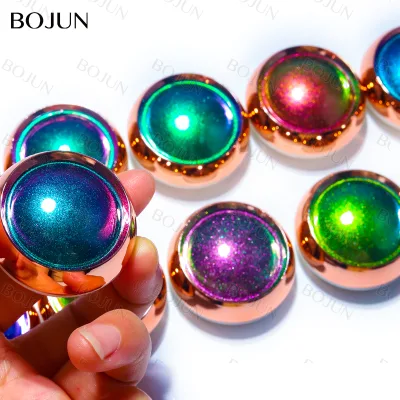
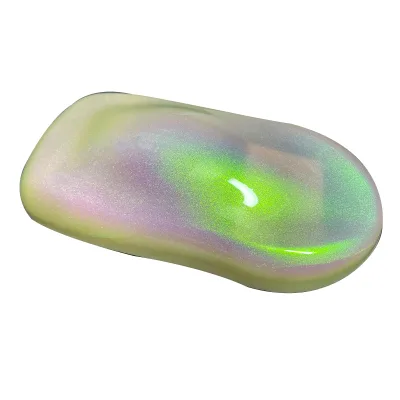
The core functionality of a multichrome pigment lies in its ability to shift color, a property often described as "color shifting" or "multicolor" in technical datasheets. These pigments are typically classified as synthetic oxides or inorganic salts, designed to create a metallic finish that transitions between distinct hues such as violet, yellow, orange, blue, red, green, brown, black, and white. The visual effect is not merely a mixture of dyes but a result of precise layering and particle geometry.
Particle size is a paramount specification that dictates the final application's texture and optical clarity. Available ranges observed in the market include sub-micron to macro scales, with specific product models offering sizes such as 20-80 micrometers, 30-115 micrometers, or finer grades like 5-25 micrometers and 10-40 micrometers. For applications requiring a smooth, high-gloss finish, such as automotive coatings, finer particle sizes like less than 10 micrometers are often preferred to prevent surface roughness. Conversely, for textured applications or specific ink formulations, broader distributions up to 200 micrometers may be utilized.
The solubility profile of these pigments is generally characterized by insolubility in standard solvents, ensuring stability during the curing process of paints and plastics. However, specific formulations may exhibit solubility depending on the chemical matrix. The physical appearance is consistently reported as a powder, which must be handled with care to maintain dispersion quality. Buyers should verify the specific product model, such as "Chromaplus-3 Pigment" or "AS19819B," as these identifiers often correlate with specific color shift profiles and particle size distributions. The composition is primarily oxide-based, providing durability and heat resistance essential for high-performance applications.
Compliance, Certification, and Regulatory Standards
Navigating the regulatory landscape is critical when sourcing pigments for consumer-facing industries like cosmetics, automotive, and textiles. Procurement teams must verify that suppliers hold valid certifications that align with the intended market. Common certifications observed in this sector include FDA approval, EEC compliance, and SGS testing, which are essential for products entering the cosmetic and nail care markets. Additionally, Reach certification is a mandatory requirement for products sold within the European Union, ensuring that the chemical composition meets safety standards regarding hazardous substances.
For industrial applications, particularly in automotive and general manufacturing, ISO certifications such as ISOCCC may be relevant, though specific industry standards often supersede general quality marks. Buyers must also request technical documentation such as Material Safety Data Sheets (MSDS) and Technical Data Sheets (TDS) to verify the chemical identity and safety handling procedures. These documents should explicitly list the European Inventory of Existing Commercial Chemical Substances (EINECS) numbers, such as 231-545-4, 231-072-3, or 231-096-4, to confirm the exact chemical substance being supplied.
It is imperative to distinguish between general quality claims and verified certifications. While "High Quality" is a common descriptor, it lacks regulatory weight without supporting documentation. Procurement officers should demand third-party test results for heavy metals and other restricted substances, especially for pigments used in leather, textiles, and cosmetics. The absence of specific certification numbers in a supplier's marketing materials should trigger a request for validation before any purchase order is placed.
Cost Drivers and Pricing Dynamics
The pricing structure for color shifting multichrome metallic pigments is highly variable, influenced by the complexity of the optical effect, the purity of the raw materials, and the specific particle size required. Market observations indicate a broad price range, with unit costs potentially spanning from $0.20 to $1,350.00 USD. This significant variance is not arbitrary but reflects the difference between standard oxide pigments and high-performance, custom-engineered color shift effects.
Several factors drive these costs. First, the complexity of the synthesis process for multichrome effects is higher than for single-color pigments, often involving multiple layers of metal oxides. Second, particle size reduction to the sub-micron range requires advanced milling technology, increasing production costs. Third, customization services, which allow buyers to tailor the color shift profile or particle distribution, add a premium to the base price.
Minimum Order Quantities (MOQs) also play a role in the total cost of ownership. Observed MOQs range from as low as 1 unit for sample orders to 500 units for bulk industrial contracts. Buyers should be aware that smaller order quantities often incur higher per-unit costs due to setup and handling fees. Conversely, larger orders may benefit from economies of scale but require significant capital outlay and storage capacity. Packaging formats, such as 25 kg bags, cartons, or drums, can also impact logistics costs, particularly when shipping heavy materials like 300 kg per pallet configurations.
Typical Applications and Industry Suitability
Color shifting multichrome pigments are versatile materials suitable for a wide array of industries, each with unique performance requirements. In the automotive sector, these pigments are utilized in "Auto Paint" and "Auto Coating" applications to create high-end finishes that shift color under different lighting conditions. The "Automotive Grade Color Shift Effect Paint Pigment" designation suggests formulations capable of withstanding the rigorous environmental and chemical stresses of vehicle exteriors.
The cosmetic industry is another major consumer, where the pigments are used in nail polishes, eyeshadows, and other personal care products. The requirement for FDA and EEC approval is particularly strict in this sector to ensure skin safety. The "Cosmetic" usage category often demands finer particle sizes to prevent grittiness and ensure a smooth application on the skin.
Beyond automotive and cosmetics, these pigments find extensive use in the printing, plastic, and textile industries. In printing, they are used for inks that provide security features or decorative effects on packaging. In plastics, they are masterbatches or additives that impart color shift properties to molded parts. The textile and leather sectors utilize these pigments for dyes and finishes that offer a unique visual appeal. The "Leather" application material specifically highlights the need for pigments that adhere well to porous surfaces without compromising the material's flexibility.
Supplier Evaluation and Origin Verification
When evaluating potential suppliers, buyers must look beyond the product name and examine the origin and manufacturing capabilities. The majority of high-volume suppliers for these pigments are located in China, with specific production hubs in Huaian, Jiangsu, and Anhui. These regions have established supply chains for synthetic oxides and inorganic salts. However, the origin alone does not guarantee quality; it is the supplier's adherence to standards and their ability to provide consistent technical support that matters.
Buyers should verify the brand name associated with the product, such as "Kolortek," to ensure they are dealing with a recognized entity in the market. However, the presence of a brand name should not be the sole criterion for selection. Instead, focus on the supplier's ability to provide samples, their technical data transparency, and their certification validity. The "Sample Service" is a critical component of the evaluation process, allowing buyers to test the color shift effect, dispersion quality, and compatibility with their specific resin or solvent systems before committing to a bulk order.
Packaging standards are another indicator of supplier professionalism. Consistent packaging, such as 25 kg per carton or drum, and palletized shipping of 300 kg per pallet, suggests a mature logistics operation. Suppliers that offer flexible packaging based on client requests demonstrate a customer-centric approach, which is valuable for long-term partnerships.
Quality Control and Long-Term Procurement Strategy
Ensuring consistent quality in multichrome pigments requires a robust quality control (QC) protocol. Since the color shift effect is sensitive to particle size and layer thickness, any deviation in the manufacturing process can result in a product that fails to meet the visual specifications. Buyers should insist on batch-to-batch consistency, verified through TDS and MSDS documentation for every shipment. The "High Quality" claim must be backed by data, including test results for solubility, particle size distribution, and color fastness.
Long-term procurement strategies should focus on building relationships with suppliers who offer customization services. The ability to tailor the pigment to specific needs, such as adjusting the particle size to 10-60 micrometers or 40-200 micrometers, can provide a competitive advantage in product development. Additionally, buyers should consider the total cost of ownership, including storage requirements for bulk packaging and the potential for waste if the pigment is not compatible with their application process.
In conclusion, sourcing color shifting multichrome metallic pigments is a complex task that demands a deep understanding of technical specifications, regulatory compliance, and supplier capabilities. By focusing on verified data, such as particle size ranges, certification status, and origin details, buyers can mitigate risks and secure high-quality materials that meet the demanding standards of modern industrial and consumer applications. The key to success lies in rigorous due diligence, clear communication of requirements, and a commitment to quality control throughout the supply chain.
FAQs
What certifications are required for cosmetic use of these pigments?
FDA, EEC, and SGS approvals are required for cosmetic applications. These certifications ensure safety for skin contact in products like nail polish and eyeshadows, distinguishing them from industrial grades.
Which particle sizes are available for automotive coating applications?
Available particle sizes include ranges like 20-80 micrometers, 5-25 micrometers, and 10-40 micrometers. Finer grades under 10 micrometers are preferred for smooth automotive finishes to prevent surface roughness.
Can suppliers provide samples before bulk ordering?
Yes, sample services are provided to allow buyers to test color shift effects and dispersion quality. This enables verification of compatibility with specific resin or solvent systems before committing to large orders.
What is the typical packaging format for these pigments?
Pigments are typically packed in 25 kg cartons or drums, with 300 kg per pallet configurations. Flexible packaging options like 25 kg bags are also available based on client requests.
Where are the primary manufacturing locations for these pigments?
Primary manufacturing locations include Huaian, Jiangsu, and Anhui in China. These regions host established supply chains for synthetic oxides and inorganic salts used in color-shifting effects.
What is the solubility profile of these multichrome pigments?
The solubility profile is generally characterized by insolubility in standard solvents. This ensures stability during the curing process of paints and plastics, though specific formulations may vary.